21/05/2025
Congress Center NH Milanofiori
ANITA AGOSTINIAPPLAUSE
ALESSANDRO BALBIANOAPPLAUSE
LE SFIDE NELL'ADDESTRAMENTO E NEL TEST DELL’INTELLIGENZA ARTIFICIALE
Intervento in lingua italiana - this talk is in italian
Sessione plenaria del mattino - morning plenary session
L’Intelligenza Artificiale genera molte opportunità, ma anche molti rischi. Un modello di AI può portare a enormi risparmi e benefici, ma costruirlo è costoso e, se non fatto correttamente, può comportare sprechi enormi. Se non è addestrato con un adeguato set di dati provenienti da esseri umani, non può sostituirli. Se non è verificato da persone, non può essere completamente affidabile e può causare conseguenze imbarazzanti e costose.
In questa sessione presenteremo come le big tech americane hanno affrontato queste sfide.
AI generates a lot of opportunities, and a lot of risks too. An AI model can lead to massive savings and benefits, but building it is expensive, and if not done properly it can lead to enormous wastes. If not done with the proper set of human-sourced data, it cannot substitute humans. If not checked by humans, it cannot be fully trusted and can lead to embarrassing and costly consequences.
In this session we will present how the american big tech coped with this challenges

SERGIO ANTONIO AJANIINNOVAWAY
INTELLIGENZA ARTIFICIALE PER UN CONTINUOUS TESTING EFFICIENTE
Intervento in lingua italiana - this talk is in italian
Sessione parallela del pomeriggio - afternoon parallel session
Nel contesto attuale, in cui la maggior parte dei progetti software fallisce per disallineamenti tra processi interni ed esterni, l’introduzione dell’Intelligenza Artificiale (IA) nel processo di test a supporto del SDLC rappresenta una svolta strategica. La presentazione illustra come l’automazione dei test, combinata con soluzioni basate su IA, superi i limiti del testing tradizionale e ottimizzi il contributo della Test Automation. Attraverso un progetto pilota, sono stati valutati tre modelli in termini di performance, copertura e impatto dei costi. Il case study mostra come sia risultato possibile ridurre sensibilmente le tempistiche di un processo di test garantendo la massima copertura funzionale, contemporaneamente incrementando la capacità di identificazione di bug e garantendo un ROI ragionevole, attraverso parametri quantificati. Il case study ha dimostrato come le soluzioni IA siano un catalizzatore per un testing efficiente, rapido e ad alta qualità nell’immediato futuro.
In today’s environment, where most software projects fail due to misalignments between internal and external processes, the introduction of Artificial Intelligence (AI) into the testing process to support the SDLC represents a strategic breakthrough. The presentation illustrates how test automation, combined with AI-based solutions, overcomes the limitations of traditional testing and optimizes the contribution of Test Automation. Through a pilot project, three models were evaluated in terms of performance, coverage and cost impact. The case study shows how it was found to be possible to significantly reduce the timing of a testing process while ensuring maximum functional coverage, simultaneously increasing bug identification capability and ensuring a reasonable ROI through quantified parameters. The case study shows how AI solutions are a catalyst for efficient, rapid, and high-quality testing in the immediate future.
Con oltre trent’anni di esperienza nel settore ICT, Sergio Ajani ha costruito un solido percorso professionale che spazia dallo sviluppo software in ambito aerospaziale alla guida di complessi progetti di Digital Transformation. Il suo contributo ha accompagnato la crescita delle aziende con cui ha collaborato, dapprima con un focus tecnico-specialistico, per poi evolversi in un ruolo operativo e manageriale. Costantemente aggiornato sulle più recenti innovazioni tecnologiche e metodologiche, si impegna a tradurre l’innovazione in valore concreto, migliorando le performance aziendali e generando vantaggio competitivo per i Clienti. La sua capacità di integrare competenze trasversali gli consente di portare una visione aperta, sistemica e multidisciplinare a supporto delle strategie di business aziendali.
With more than 30 years of experience in the ICT sector, Sergio Ajani has built a solid career path ranging from software development in aerospace to leading complex Digital Transformation projects. His contribution has accompanied the growth of the companies he has worked with, first with a technical-specialist focus, and then evolving into an operational and managerial role. Constantly updated on the latest technological and methodological innovations, he is committed to translating innovation into concrete value, improving business performance and generating competitive advantage for Clients. His ability to integrate cross-functional skills enables him to bring an open, systemic and multidisciplinary vision to support corporate business strategies.

ALFREDO AUFIERONEXSOFT
AI E TEST DESIGN: SOLO SE L’AI SA CAPIRE – L’ESPERIENZA NEXSOFT
Intervento in lingua italiana - this talk is in italian
Sessione parallela del pomeriggio - afternoon parallel session
La Generative AI è sempre più presente nei processi di Quality Assurance, ma applicarla in contesti reali è tutt’altro che semplice. Requisiti incompleti, ambiguità nei flussi, documentazione non allineata e responsabilità distribuite rendono difficile ottenere valore da un’automazione basata solo sui prompt.
Nel talk condivideremo l’esperienza concreta di Nexsoft nell’introduzione della GenAI all’interno del test design. Un percorso fatto di sperimentazione, aggiustamenti e consapevolezza: l’AI può essere un alleato potente, ma solo se è in grado di comprendere il contesto, il dominio e le esigenze reali del team QA.
Racconteremo cosa ha funzionato, cosa no, e quali condizioni – secondo la nostra esperienza – rendono l’uso dell’AI davvero efficace nel testing: modellazione chiara, gestione delle ambiguità, condivisione della conoscenza e supervisione continua.
Generative AI is increasingly present in Quality Assurance processes, but applying it in real contexts is far from simple. Incomplete requirements, ambiguity in flows, non-aligned documentation and distributed responsibilities make it difficult to obtain value from automation based only on prompts.
In the talk we will share Nexsoft's concrete experience in introducing GenAI into test design. A path made of experimentation, adjustments and awareness: AI can be a powerful ally, but only if it is able to understand the context, the domain and the real needs of the QA team.
We will tell what worked, what didn't, and which conditions – in our experience – make the use of AI truly effective in testing: clear modeling, management of ambiguities, knowledge sharing and continuous supervision.
Alfredo Aufiero è un Senior QA Engineer con una laurea in Ingegneria Elettronica e 10 anni di esperienza in progetti software internazionali. In Nexsoft si occupa di processi di Software Testing e Quality Assurance, con focus su test automation, non functional testing e qualità del software. Esperto di metodologie Agile, applica quotidianamente lo Scrum in contesti progettuali complessi.
Alfredo Aufiero is a Senior QA Engineer with a degree in Electronic Engineering and 10 years of experience in international software projects. In Nexsoft he deals with Software Testing and Quality Assurance processes, with a focus on test automation, non-functional testing and software quality. An expert in Agile methodologies, he applies Scrum on a daily basis in complex project contexts.
GUALTIERO BAZZANAITA-STQB
L’AI PER LA QUALITÀ DEL SOFTWARE: LA RIVOLUZIONE È IN CORSO!
Intervento in lingua italiana - this talk is in italian
Sessione plenaria del mattino - morning plenary session
L’avvento dell’IA sta portando a profonde innovazioni in tutte le attività del SDLC (Software Development Life Cycle).
In questo intervento verranno illustrati gli impatti a livello tecnico, metodologico, culturale e organizzativo con i conseguenti impatti a livello di produttività e ROI relativamente a:
- Requirements Engineering
- Software Development e Code Assistants
- Testing
Verrà inoltre fatto un approfondimento sulle certificazioni che ISTQB® sta sviluppando nell’ambito dell’IA per il test.
The advent of AI is leading to profound innovations in all SDLC (Software Development Life Cycle) activities.
This talk will illustrate the impacts at a technical, methodological, cultural and organizational level with the consequent impacts at a productivity and ROI level in relation to:
- Requirements Engineering
- Software Development and Code Assistants
- Testing
There will also be an in-depth look at the certifications that ISTQB® is developing in the field of AI for testing.
Gualtiero Bazzana opera da molti anni nel settore IT e nello specifico sugli aspetti legati alla Qualità. È stato Presidente di ISTQB® per due mandati. Attualmente è Presidente dell'Italian Software Testing Qualifications Board (ITA-STQB) e ricopre il ruolo di Executive Vice President del gruppo ALTEN, per cui coordina le iniziative in ambito AI.
Gualtiero Bazzana has been working in the IT sector for many years, specifically on Quality-related aspects. He has been President of ISTQB® for two terms. He is currently President of the Italian Software Testing Qualifications Board (ITA-STQB) and holds the role of Executive Vice President of the ALTEN group, for which he coordinates initiatives in the AI field.

LUDOVICO BESANANEARFORM
POTENZIA IL TESTING CON L’AI: BEST PRACTICE E STRATEGIE CHE FUNZIONANO DAVVERO
Intervento in lingua italiana - this talk is in italian
Sessione parallela del pomeriggio - afternoon parallel session
In questo talk condividerò la mia esperienza pratica come Senior Test Engineer nell’integrare l’AI all’interno dei processi di Quality Assurance. Mostrerò come modelli di machine learning e analisi dei dati abbiano permesso di ridurre i tempi di rilascio, identificare i difetti in anticipo e migliorare l’affidabilità complessiva del software. Illustrerò anche strumenti pratici e demo che vanno dalla test automation basata su intelligenza artificiale fino all’utilizzo di chatbot avanzati per ottimizzare la comunicazione e il supporto durante lo sviluppo e il testing. Partendo da scenari reali di progetti web e mobile, spiegherò le principali sfide affrontate (come la gestione dei dati e la mitigazione di bias) e le soluzioni adottate per sfruttare appieno il potenziale dell’AI, senza rinunciare ai principi fondamentali del testing. Infine, condividerò consigli pratici e metriche di successo per avviare o potenziare un percorso AI-driven nella propria organizzazione, massimizzando efficienza e soddisfazione degli stakeholder.
In this talk I will share my practical experience as a Senior Test Engineer in integrating AI into Quality Assurance processes. I will show how machine learning models and data analysis have allowed to reduce release times, identify defects early and improve the overall reliability of the software. I will also illustrate practical tools and demos ranging from AI-based test automation to the use of advanced chatbots to optimize communication and support during development and testing. Starting from real scenarios of web and mobile projects, I will explain the main challenges faced (such as data management and bias mitigation) and the solutions adopted to fully exploit the potential of AI, without giving up the fundamental principles of testing. Finally, I will share practical tips and success metrics to start or enhance an AI-driven journey in your organization, maximizing efficiency and stakeholder satisfaction.
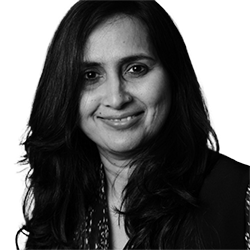
GEETANJALI SHANKER BHATSKRIBBLE
EMBEDDING QUALITY PROCESSES IN AGILE PRODUCT DELIVERY
Intervento in lingua inglese - this talk is in english
Sessione parallela del pomeriggio - afternoon parallel session
Si dice che la qualità sia integrata quando si utilizzano approcci di agile delivery grazie ai test precoci e continui senza le tecniche formali di test eseguite negli approcci tradizionali. Nei progetti Scrum of Scrum o nei progetti interconnessi, i processi e le tecniche di gestione della qualità aiutano a ottenere "prodotti agili adatti allo scopo". L'implementazione di queste tecniche ha definito una nuova direzione in molteplici progetti agili.
Al termine di questa presentazione, i partecipanti saranno in grado di:
- definire le tecniche del processo di qualità in un framework agile/scrum;
- applicare le tecniche dei processi di qualità utilizzando un framework agile/scrum in molteplici progetti come i progetti scrum of scrum.
Quality is said to be built in when using agile-delivery approaches due to early and ongoing testing without the formal techniques of testing done in traditional approaches. In Scrum of Scrum projects or interlinked projects, quality management processes and techniques help to achieve ‘deliver fit-for-purpose agile products.’ Implementing these techniques has defined a new direction in multiple agile projects.
At the conclusion, of this session, participants will be able to:
- define techniques of quality process in an agile/scrum framework;
- apply techniques of quality processes using an agile/scrum framework in multiple projects such as scrum of scrum projects.
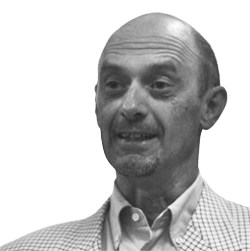
GIORGIO BRAJNIKUNIVERSITÀ DI UDINE
UN PASSO DAL CIELO … L’AI IN AIUTO PER UN TESTING SOSTENIBILE IN PROGETTI SCIENTIFICI COMPLESSI
Intervento in lingua italiana - this talk is in italian
Sessione parallela del pomeriggio - afternoon parallel session
Il progetto Square Kilometre Array (https://www.skao.int/en) rappresenta una sfida unica nel testing del software: più di 40 team agili da varie nazioni sviluppano da 5 anni componenti HW e SW di elaborazione scientifica, di acquisizione e filtraggio massivi di dati (decine di TB/s) e di controllo hardware per il più grande radiotelescopio del mondo. In questo progetto socio-tecnico altamente distribuito e privo di gerarchia centrale, con specifiche emergenti e complessità tecniche significative, presenterò le strategie adottate per garantire la sostenibilità del testing. Illustrerò aspetti relativi all'allineamento dei team, alla diffusione di buone pratiche e al monitoraggio, con attenzione all'architettura di automazione dei test e all'integrazione dell'AI generativa, che sta facendosi strada in attività di ingegneria del software, tra cui analisi delle specifiche, generazione di test e la valutazione della qualità. L'esperienza SKA offre spunti preziosi per gestire il testing in progetti complessi e distribuiti, fornendo un modello di riferimento per altre iniziative di scala e complessità analoga.
Temi: analisi e gestione dei requisiti basate sull'AI, analisi dei requisiti guidata dall'AI per la generazione automatica di documentazione di test, casi di test e script di test.
The Square Kilometre Array project (https://www.skao.int/en) represents a unique challenge in software testing: more than 40 agile teams from various countries have been developing for 5 years HW and SW components for scientific processing, massive data acquisition and filtering (tens of TB/s) and hardware control for the largest radio telescope in the world. In this highly distributed socio-technical project with no central hierarchy, emerging specifications and significant technical complexity, I will present the strategies adopted to ensure the sustainability of testing. I will illustrate aspects related to team alignment, dissemination of good practices and monitoring, with a focus on the test automation architecture and the integration of generative AI, which is making its way into software engineering activities, including specification analysis, test generation and quality assessment. The SKA experience offers valuable insights to manage testing in complex and distributed projects, providing a reference model for other initiatives of similar scale and complexity.
Topics: AI-driven requirements analysis and management, AI-driven requirements analysis for automatic generation of test documentation, test cases and test scripts.
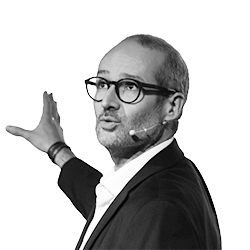
WIM DECOUTEREAE PRINCIPAL L&D CONSULTANT
QUALITY ENGINEER: DEVIL IN DISGUISE?
Intervento in lingua inglese- this talk is in english
Sessione parallela del pomeriggio - afternoon parallel session
I tester utilizzano tecniche di progettazione dei test per elaborare casi di test da un set di requisiti. Maggiore è la qualità di questi requisiti, maggiore è la qualità dei loro casi di test e quindi maggiore è la probabilità di rilevare potenziali difetti nel sistema in fase di costruzione. Finora tutto bene.
I tester si lamentano regolarmente del fatto che i requisiti siano in ritardo, incompleti, ambigui e contraddittori. Tuttavia, uno dei principi dei test afferma che i test tempestivi fanno risparmiare tempo e denaro. I tester si stanno quindi spostando a sinistra e si stanno concentrando maggiormente sul miglioramento della qualità dei requisiti con cui lavorano. In altre parole, i tester stanno svolgendo sempre di più il lavoro di un ingegnere dei requisiti e ora si definiscono ingegneri della qualità.
Nel suo intervento, Wim, un esperto di test del software con una passione per l'ingegneria dei requisiti, vi racconterà di più sulla contemporanea fusione di test e ingegneria dei requisiti e se dovete temere per il vostro lavoro.
Testers use test design techniques to draw up test cases from a set of requirements. The higher the quality of these requirements, the higher the quality of their test cases and thus the higher the likelihood of detecting potential defects in the system being built. So far so good.
Testers regularly complain about requirements being late, incomplete, ambiguous, and contradictory. However, one of the principles of testing states that early testing saves time and money. Testers are thus shifting left and focusing more on improving the quality of the requirements they work with. In other words, testers are doing more and more the job of a requirements engineer and call themselves now quality engineers.
In his talk, Wim -an expert in software testing with a passion for requirements engineering- will tell you more about the contemporary blending of testing and requirements engineering and whether you should fear for your job.
Wim Decoutere ha iniziato la sua carriera nel testing quasi 18 anni fa e da allora ha lavorato in diverse aziende, principalmente nel settore finanziario. È un appassionato di insegnamento e si sente a casa quando si trova di fronte a un'aula. Qualche anno fa, è passato a diventare un formatore a tempo pieno, coach e insegnante sul testing, ingegneria dei requisiti, analisi, soft skill e qualsiasi altra materia di suo interesse. Come istruttore veterano per i giovani, con una passione per le teorie dell'apprendimento e la gestione delle persone, Wim è costantemente alla ricerca di nuove idee per migliorare le sue prestazioni e quelle dell'intero team di test.
Wim Decoutere began his testing career almost 18 years ago and has since worked at several companies, mostly in the financial sector. He is passionate about teaching and feels at home when standing in front of a classroom. A few years ago, he transitioned to becoming a full-time trainer, coaching, and teaching about testing, requirements engineering, analysis, soft skills, and any other subject of his interest. As a veteran youth instructor with a passion for learning theories and people management, Wim is constantly seeking new ideas to improve his own performance and that of the entire testing team.
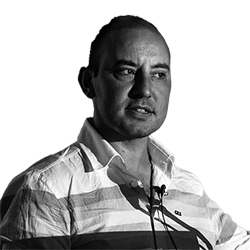
MESUT DURUKALINDEED
AI-POWERED DEFECT ANALYSIS: UNCOVER HIDDEN PATTERNS TO DRIVE QUALITY
Intervento in lingua inglese - this talk is in english
Sessione parallela del pomeriggio - afternoon parallel session
In questo intervento, condividerò come possiamo trasformare la gestione dei difetti sfruttando l'intelligenza artificiale per tracciare e analizzare continuamente i bug, portando a una risoluzione più rapida ed efficiente e rivelando al contempo tendenze critiche nella qualità del software. Contesto: nell'attuale mondo dello sviluppo frenetico, comprendere e gestire i difetti del software è fondamentale per mantenere la qualità. L'analisi tradizionale dei bug spesso non rileva modelli o tendenze sottostanti che potrebbero avere un impatto significativo sul processo di sviluppo e sul ciclo di vita del prodotto. La gestione manuale dei difetti richiede molto tempo, è soggetta a errori umani ed è limitata dalla scala dei dati che possono essere elaborati. Utilizzando l'intelligenza artificiale e l'apprendimento automatico, possiamo migliorare il rilevamento e l'analisi dei difetti, portando a informazioni più precise e risoluzioni più rapide. Questo approccio ci consente di monitorare automaticamente i difetti, ottimizzare la copertura dei test e prevedere potenziali problemi in base ai dati storici sui bug, trasformando il modo in cui affrontiamo la garanzia della qualità. Dichiarazione del problema: una delle principali sfide nei test del software sono i modelli nascosti nei difetti che vengono spesso trascurati. Senza sfruttare i dati dei bug esistenti, i team potrebbero: non rilevare problemi ricorrenti in funzionalità specifiche. Non riuscire a prevedere aree soggette a elevata densità di difetti. Perdere tempo con l'analisi manuale, con conseguente risoluzione più lenta dei problemi e aumento dei costi. Le attuali pratiche di gestione dei bug sono inefficienti e reattive. I team hanno difficoltà a estrarre informazioni utili dai dati sui difetti, ostacolando la loro capacità di migliorare il prodotto e il processo di test. Soluzione: introducendo la gestione dei difetti basata sull'intelligenza artificiale, proponiamo un framework che traccia, raggruppa e analizza in modo continuo e automatico i dati sui difetti. Questa soluzione include: dashboard basate sull'intelligenza artificiale per monitorare la distribuzione dei difetti tra diversi tipi (funzionali, di prestazioni, ecc.). Tecniche di data mining per identificare modelli di bug in base a gravità, priorità e pertinenza dei componenti. Modelli di apprendimento automatico per prevedere i futuri hotspot dei difetti e stimare la gravità dei bug in base ai dati storici. Il modello ML utilizzerà una combinazione di funzionalità, come la descrizione dei difetti (bag of words), tendenze storiche e attributi critici (gravità, priorità, ecc.), per fornire informazioni utili. Queste informazioni possono portare all'ottimizzazione delle strategie di test e al miglioramento sia della copertura dei test che dell'efficienza di rilevamento dei difetti. Punti chiave: come integrare intelligenza artificiale e ML per migliorare il monitoraggio dei bug e l'analisi dei difetti. Tecniche per il clustering e l'analisi dei bug utilizzando varie metriche e dimensioni. Un esempio pratico di un modello ML che prevede la gravità dei bug per ridurre lo sforzo manuale. Approfondimenti sull'utilizzo di dati storici sui difetti per guidare future strategie di test e migliorare la qualità.
In this talk, I will share how we can transform defect management by harnessing AI to continuously track and analyze bugs, leading to faster and more efficient resolution while revealing critical trends in software quality. Background: In today's fast-paced development world, understanding and managing software defects is crucial for maintaining quality. Traditional bug analysis often misses underlying patterns or trends that could significantly impact the development process and product lifecycle. Manual defect management is time-consuming, prone to human error, and limited by the scale of data that can be processed. By utilizing AI and machine learning, we can enhance defect detection and analysis, leading to more precise insights and faster resolutions. This approach allows us to automatically monitor defects, optimize test coverage, and predict potential issues based on historical bug data, transforming the way we approach quality assurance. Problem Statement: A major challenge in software testing is the hidden patterns in defects that are often overlooked. Without leveraging data from existing bugs, teams may: Miss recurring issues in specific features. Fail to predict areas prone to high defect density. Waste time on manual analysis, leading to slower issue resolution and increased costs. Current bug management practices are inefficient and reactive. Teams struggle to extract actionable insights from defect data, hindering their ability to improve the product and the testing process. Solution: By introducing AI-driven defect management, we propose a framework that continuously and automatically tracks, clusters, and analyzes defect data. This solution includes: AI-powered dashboards to monitor defect distribution across different types (functional, performance, etc.). Data mining techniques to identify bug patterns based on severity, priority, and component relevancy. Machine learning models to predict future defect hotspots and estimate bug severities based on historical data. The ML model will use a combination of features, such as defect description (bag of words), historical trends, and critical attributes (severity, priority, etc.), to deliver actionable insights. These insights can lead to optimizing test strategies and improving both test coverage and defect detection efficiency. Key Takeaways: How to integrate AI and ML to enhance bug tracking and defect analysis. Techniques for clustering and analyzing bugs using various metrics and dimensions. A practical example of an ML model predicting bug severity to reduce manual effort. Insights into using historical defect data to drive future testing strategies and improve quality.
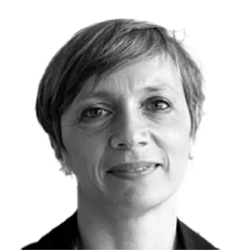
MARIA FRANCESCA EMILIANICRIF

EMILIO TROPEACRIF
LA COLLABORAZIONE TRA LA TEST FACTORY E L’OPEN INNOVATION HUB (INNOVECOS) DI CRIF, IN UN PERCORSO VERSO IL TEST DI SUCCESSO POTENZIATO DALLA AI PER AFFRONTARE LA SCARSITÀ DI DATI
Intervento in lingua italiana - this talk is in italian
Sessione parallela del pomeriggio - afternoon parallel session
La sessione esplorerà la generazione di dati sintetici basata sull'AI per affrontare i problemi di scarsità di dati e di privacy nei test di sistemi complessi. In passato, i test richiedevano tempi e risorse considerevoli e risultavano incompleti, a causa di un set di dati obsoleto, risalente al 2018, e privo della distribuzione statistica necessaria per rappresentare la popolazione del dominio applicativo. La mancanza di dati completi per B2C e B2B ostacolava la copertura dei casi limite e degli scenari critici. Per risolvere, è stato implementato un approccio basato sull'AI per generare dati sintetici che ha permesso di replicare distribuzioni e correlazioni statistiche, generando dati pseudo-realistici e simulando migliaia di nuovi record. I risultati sono stati significativi: la copertura B2C è passata da 275 a 8.500 record, quella B2B da 36 a 3.500, i test sui casi limite dal 35% al 90%. La sessione metterà in evidenza gli aspetti tecnici, e il valore della collaborazione interfunzionale nell’affrontare i test potenziati dall’AI, offrendo strategie applicabili in qualsiasi contesto organizzativo.
The session will explore AI-based synthetic data generation to address data sparsity and privacy issues in complex system testing. Previously, testing was time-consuming, resource-intensive, and incomplete due to an outdated dataset dating back to 2018 that lacked the statistical distribution needed to represent the application domain population. The lack of complete B2C and B2B data hindered coverage of edge cases and critical scenarios. To address this, an AI-based synthetic data generation approach was implemented that replicated statistical distributions and correlations, generating pseudo-realistic data and simulating thousands of new records. The results were significant: B2C coverage increased from 275 to 8,500 records, B2B coverage from 36 to 3,500, and edge case testing from 35% to 90%. The session will highlight the technical aspects, and the value of cross-functional collaboration in tackling AI-enhanced testing, offering strategies that can be applied in any organizational context.
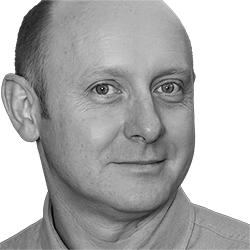
CLAUDIO GAIANISPINDOX

FABIO GOSSONAR
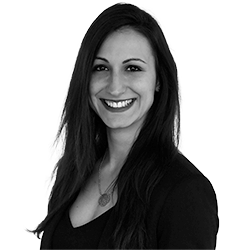
FEDERICA LAMIASONAR
POTENZIARE GLI SVILUPPATORI PER OTTIMIZZARE I PROCESSI E I RISULTATI DEL QA
Intervento in lingua italiana - this talk is in italian
Sessione parallela del pomeriggio - afternoon parallel session
Stanco del collo di bottiglia nel QA? Scopri come applicare lo shift left e assumere il controllo della qualità e della sicurezza del codice, semplificando in modo significativo i processi di QA e accelerando la delivery delle applicazioni. Esplorerai strategie pratiche per migliorare la tua efficienza e vedrai come strumenti come SonarQube possano essere integrati facilmente nel tuo flusso di lavoro. Scoprirai come il feedback in tempo reale e metriche di qualità chiare ti permettano di prevenire i bug prima che arrivino al QA, ridurre i cicli di test e consegnare applicazioni più sicure e di qualità superiore. Porterai a casa spunti concreti per promuovere una cultura dello sviluppo guidata dalla qualità, con un impatto reale sui tuoi risultati di QA.
Tired of the QA bottleneck? Discover how to shift left and empower your developers to own code quality and security, dramatically streamlining your QA processes and boosting application delivery. We'll explore practical strategies to motivate developers and demonstrate how tools like SonarQube can be seamlessly integrated into their workflow. Learn how real-time feedback and clear quality metrics empower developers, leading to fewer bugs reaching QA, faster testing cycles, and ultimately, the delivery of higher-quality, more secure applications. Walk away with actionable insights to foster a culture of quality-driven development that greatly improve your QA outcomes.
Sono Claudio, Capability Manager in Spindox. Con un background nello sviluppo software e una forte passione per la qualità, guido l’area Software Quality Assurance, promuovendo l’adozione di soluzioni innovative, inclusa l’Intelligenza Artificiale, per ottimizzare i processi di testing. Collaboro su progetti complessi in diversi settori, supportando i team nel raggiungimento degli obiettivi di qualità e business.
Sono Fabio, lavoro in Sonar da 5 anni e faccio parte del team di Solutions Engineering. Aiuto i team a partire con i prodotti SonarQube, risolvendo sfide tecniche, conducendo demo e collaborando da vicino con i prospect per assicurarmi che abbiano tutto il necessario per avere successo fin dal primo giorno.
Sono Federica, Territory Manager in Sonar. Lavoro in azienda da quasi quattro anni e collaboro con organizzazioni italiane di diversi settori per aiutarle a migliorare la qualità e la sicurezza del software grazie alle soluzioni di code intelligence di Sonar. Il mio obiettivo è supportare i clienti nel trasformare il loro software in un asset strategico di lungo termine per il business.
I'm Claudio, Capability Manager at Spindox. With a background in software development and a strong passion for quality, I lead the Software Quality Assurance area, promoting the adoption of innovative solutions — including Artificial Intelligence — to optimize testing processes. I work on complex projects across various industries, supporting teams in achieving their quality and business goals.
I'm Fabio, working at Sonar for 5 years and a member of the Solutions Engineering team. I help teams get up and running with SonarQube products, solving technical challenges, running demos, and working closely with prospects to ensure they have everything they need to succeed from day one.
I'm Federica, Territory Manager at Sonar. I've been with the company for almost four years, working closely with Italian organizations across various industries to help them enhance software quality and security through Sonar’s code intelligence solutions. My goal is to help our customers turn their software into a long-term strategic asset for the business.

ANDREA GIACALONEINTESI GROUP

MARCO PRAMPOLINIINTESI GROUP
TEST DI ACCESSIBILITÀ "AI DRIVEN" - COME AD OGGI VIENE IMPIEGATA L'AI SUI TEST DI ACCESSIBILITÀ IN INTESI GROUP
Intervento in lingua italiana - this talk is in italian
Sessione parallela del pomeriggio - afternoon parallel session
La trasformazione digitale e l’inclusività sono ormai obiettivi fondamentali per le aziende. La nostra presentazione esplora come l’intelligenza artificiale migliori i Test di Accessibilità, con una strategia e approccio pratico, basato sull’esperienza di Intesi Group. Grazie a strumenti come Google Lighthouse, GPT custom, Jira, Xray e Confluence mostreremo come l’AI migliori l’efficienza dei processi, riduca i tempi di verifica e garantisca la conformità agli standard WCAG durante i Test di Accessibilità. Attraverso poi un caso studio reale interno, illustreremo come l’AI identifichi e risolva barriere critiche, ottimizzando l’esperienza utente e favorendo l’inclusione. Infine, evidenzieremo i benefici strategici. Dalla riduzione del rischio legale all’aumento della competitività, mostrando il perché investire nell’AI rappresenti ad oggi non solo un vantaggio ma una necessità per ogni organizzazione.
Digital transformation and inclusiveness are now key objectives for companies. Our presentation explores how artificial intelligence improves Accessibility Testing, with a strategy and practical approach, based on the experience of Intesi Group. Thanks to tools such as Google Lighthouse, GPT custom, Jira, Xray and Confluence we will show how AI improves process efficiency, reduces verification times and ensures compliance with WCAG standards during Accessibility Testing. Then, through a real internal case study, we will illustrate how AI identifies and solves critical barriers, optimizing the user experience and promoting inclusion. Finally, we will highlight the strategic benefits. From reducing legal risk to increasing competitiveness, showing why investing in AI today represents not only an advantage but a necessity for every organization.

WERNER HENSCHELCHENGASQ
TESTING GOES PRACTICAL
Intervento in lingua inglese- this talk is in english
Sessione parallela del pomeriggio - afternoon parallel session
Questa presentazione introduce il programma A4Q Practical Tester, un approccio rivoluzionario alla formazione nel test del software che enfatizza l'apprendimento pratico. A differenza dei tradizionali metodi basati sulla conoscenza, il programma A4Q Practical Tester è progettato per promuovere competenze del mondo reale, consentendo ai discenti di applicare concetti direttamente agli scenari di test. Il programma incorpora l'app di apprendimento A4Q Practical Tester, uno strumento innovativo basato sull'intelligenza artificiale che supporta lo sviluppo continuo delle competenze attraverso esercizi interattivi e sfide pratiche. Spostando l'attenzione dalla conoscenza teorica all'apprendimento basato sulle competenze, questo nuovo schema garantisce che i partecipanti siano non solo informati, ma anche capaci e sicuri nell'esecuzione di pratiche di test del software efficaci.
This presentation introduces the A4Q Practical Tester program, a groundbreaking approach to training in software testing that emphasizes practical, hands-on learning. Unlike traditional knowledge-based methods, the A4Q Practical Tester program is designed to foster real-world skills, enabling trainees to apply concepts directly to testing scenarios. The program incorporates the A4Q Practical Tester Learning App, an innovative AI-based tool that supports continuous skills development through interactive exercises and practical challenges. By shifting the focus from theoretical knowledge to skills-based learning, this new scheme ensures that participants are not only informed but also capable and confident in executing effective software testing practices.
L'Alliance for Qualification (A4Q) è un'organizzazione internazionale focalizzata sul miglioramento della qualità e sul riconoscimento delle qualifiche professionali in vari settori, in particolare nell'IT. A4Q collabora con oltre 200 stakeholder globali, tra cui enti di certificazione, fornitori di formazione ed esperti, per sviluppare programmi di certificazione di alto livello. L'obiettivo è quello di dotare i professionisti di credenziali riconosciute a livello globale che soddisfino le richieste del settore, stimolino la mobilità di carriera e garantiscano pratiche coerenti e di alta qualità sul posto di lavoro. A4Q è nota per il suo impegno nel miglioramento continuo e nell'allineamento con le attuali tendenze tecnologiche e aziendali, il che la rende un nome rispettato nello sviluppo professionale e nella certificazione in tutto il mondo. Werner è CEO di GASQ e membro di A4Q.
The Alliance for Qualification (A4Q) is an international organization focused on enhancing the quality and recognition of professional qualifications across various industries, particularly in IT. A4Q collaborates with more than 200 global stakeholders, including certification bodies, training providers, and experts, to develop high-standard certification programs. Their goal is to equip professionals with globally recognized credentials that meet industry demands, boost career mobility, and ensure consistent, high-quality practices in the workplace. A4Q is known for its commitment to continuous improvement and alignment with current technological and business trends, making it a respected name in professional development and certification worldwide.
Werner is CEO of GASQ and member of A4Q.

VIRNA MAGAGNOTTIALTEN ITALIA
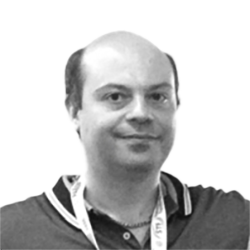
ALESSANDRO COLLINOALTEN ITALIA
PROMPT ENGINEERING: TECNICHE DI PROMPTING STRUTTURATO PER IL SOFTWARE TESTING
Intervento in lingua italiana - this talk is in italian
Sessione parallela del pomeriggio - afternoon parallel session
L'evoluzione delle tecnologie di Generative AI e la loro integrazione all'interno delle organizzazioni, porterà inevitabilmente a una serie di trasformazioni, sia in termini di processi che di ruoli. Con riferimento al Software Testing, i tester tenderanno a evolversi da specialisti della progettazione e dell'esecuzione di test a specialisti di testing assistiti dall'AI, portandoli a combinare le proprie competenze più tradizionali sulle tecniche di test con quelle più moderne relative alla capacità di guidare l'AI e verificarne i risultati. Già oggi si possono ottenere dei risultati estremamente significativi in varie aree che includono la generazione di test case, di oracoli di test, di dati di test, di script di test e di altri elementi del testware. Questo richiede ai tester l'adozione di solide pratiche di Prompt Engineering tra cui few-shot prompting, prompt chaining e meta prompting. Nel corso dell'intervento, dopo una breve panoramica sulla strutturazione dei prompt nell'ambito di tali pratiche, verranno mostrate alcune loro applicazioni relative alla generazione dei test case.
ALTEN non solo ha investito nella realizzazione di acceleratori basati sull’AI Generativa come ARIA, ma anche per estendere al tema del "Testing with Generative AI" l’offerta formativa dell’ALTEN Academy, unico training provider ufficialmente accreditato per l'erogazione di tutti i corsi ed esami ISTQB disponibili in Italia, che comprenderà il nuovo corso ISTQB Generative AI.
The evolution of Generative AI technologies and their integration within organizations will inevitably lead to a series of transformations, both in terms of processes and roles. With reference to Software Testing, testers will tend to evolve from specialists in the design and execution of tests to specialists in AI-assisted testing, leading them to combine their more traditional skills in testing techniques with the more modern ones related to the ability to guide AI and verify its results.
Extremely significant results can already be obtained today in various areas that include the generation of test cases, test oracles, test data, test scripts and other elements of testware. This requires testers to adopt solid Prompt Engineering practices including few-shot prompting, prompt chaining and meta prompting. During the speech, after a brief overview of the structuring of prompts within these practices, some of their applications related to the generation of test cases will be shown.
ALTEN has not only invested in the creation of accelerators based on Generative AI such as ARIA, but also in extending the training offer of the ALTEN Academy to the theme of "Testing with Generative AI", the only training provider officially accredited for the delivery of all ISTQB courses and exams available in Italy, which will include the new ISTQB Generative AI course.

SIMONA MAGALESKY ITALIA
ACCESSIBILITÀ E TESTING IN SKY ITALIA
Intervento in lingua italiana - this talk is in italian
Sessione parallela del pomeriggio - afternoon parallel session
L’accessibilità è un principio fondamentale nella visione di Sky Italia, che considera intrattenimento e informazione come diritti universali da garantire senza barriere. Con questo obiettivo, abbiamo intrapreso un percorso volto a rendere le nostre piattaforme digitali sempre più inclusive. I nostri siti web e app sono stati ottimizzati per rispettare gli standard internazionali WCAG (Web Content Accessibility Guidelines), assicurando un’esperienza di navigazione semplice, intuitiva e fruibile per tutti, indipendentemente dalle abilità.
Attraverso gli strumenti di cui ci siamo dotati riusciamo a monitorare gli sviluppi software e a effettuare verifiche di testing già nella fase di sviluppo perché garantire l’accessibilità rappresenta una buona pratica di progettazione dei siti web e delle applicazioni digitali.
Abbiamo costruito un processo serrato di audit con scan periodici delle digital properties per garantire che il nostro impegno per l’accessibilità sia costante e sempre in linea con i nostri valori aziendali e la normativa vigente.
Mostreremo alcuni esempi di validazione e testing per alcune properties esistenti sulle quali sono stati effettuati interventi software per renderle più accessibili. Sarà interessante inoltre condividere quanto abbiamo realizzato per una nuova app per i nostri clienti, che è stata costruita “accessible by design”.
Parallelamente, siamo impegnati nella creazione di una cultura aziendale inclusiva. Abbiamo avviato programmi di formazione per sensibilizzare i nostri team, affinché ogni dipendente, in ogni fase dello sviluppo e della produzione delle properties digitali, tenga conto dell’accessibilità.
Guardando al futuro, Sky Italia continuerà a collaborare attivamente con associazioni e stakeholder del settore per identificare nuove opportunità di miglioramento.
Accessibility is a fundamental principle in the vision of Sky Italia, which considers entertainment and information as universal rights to be guaranteed without barriers. With this goal, we have undertaken a path aimed at making our digital platforms increasingly inclusive. Our websites and apps have been optimized to comply with the international WCAG standards (Web Content Accessibility Guidelines), ensuring a simple, intuitive and usable browsing experience for everyone, regardless of ability.
Through the tools we have equipped ourselves with, we are able to monitor software developments and carry out testing checks already in the development phase because ensuring accessibility represents good design practice for websites and digital applications.
We have built a tight audit process with periodic scans of digital properties to ensure that our commitment to accessibility is constant and always in line with our corporate values and current legislation.
We will show some examples of validation and testing for some existing properties on which software interventions have been carried out to make them more accessible. It will also be interesting to share what we have achieved for a new app for our customers, which was built "accessible by design".
At the same time, we are committed to creating an inclusive corporate culture. We have launched training programs to raise awareness among our teams, so that every employee, at every stage of the development and production of digital properties, takes accessibility into account.
Looking to the future, Sky Italia will continue to actively collaborate with associations and stakeholders in the sector to identify new opportunities for improvement.
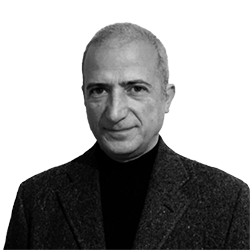
FEDERICO MIROBALLOLUXOFT
TRA ARTE E INGEGNERIA: L'EREDITÀ DI LEONARDO E MICHELANGELO NELL'ERA DIGITALE
Intervento in lingua italiana - this talk is in italian
Sessione plenaria del mattino - morning plenary session
L'architettura ha origini antiche e si fonda sull'intreccio tra creatività, arte e ingegneria, un concetto che oggi si riflette nel ruolo strategico dell'architetto software.
Prima dei moderni architetti software, grandi architetti del passato quali Leonardo da Vinci e Michelangelo Buonarroti sono stati pionieri per la loro grande capacità di unire creatività, arte e competenza tecnica per risolvere grandi sfide architettoniche. Entrambi progettavano strutture complesse, mostrando un'attenzione per funzionalità, innovazione ed estetica simile a quella degli architetti software odierni. Le loro innovazioni tecniche riflettono l'approccio degli architetti software nello sviluppare tecnologie avanzate, funzionali, eleganti ed innovative. In questo senso, le loro visioni e abilità rappresentano un modello di come elevare la conoscenza tecnica a livello di arte.
Cosa accade quando l'architettura software mostra delle lacune?
Un caso emblematico, come quello del Boeing 737 Max, evidenzia come errori progettuali nel software possano avere conseguenze catastrofiche, rafforzando l'importanza di un approccio rigoroso e consapevole.
Esamineremo anche la percezione errata e i falsi miti che circondano l'architettura software. Molte idee preconcette, come quella che sia esclusivamente una questione di documentazione o che consista in un paio di diagrammi o ancor peggio che sia troppo costosa e non strettamente necessaria, minimizzano l'impatto strategico e innovativo di questa disciplina.
È fondamentale avere una definizione chiara del ruolo dell'architetto software, che includa responsabilità specifiche, modalità di progettazione e di documentazione dell'architettura. Il curriculum sviluppato da iSAQB (International Software Architecture Qualification Board) offre un quadro dettagliato per la formazione e la certificazione degli architetti software, sottolineando l'importanza della competenza e della professionalità richieste in questo campo.
L'architetto software svolge anche un ruolo fondamentale come mediatore tra i vari attori coinvolti nello sviluppo del prodotto. Deve comprendere le esigenze del committente e tradurle in soluzioni tecniche efficaci, garantendo che la visione del cliente sia realizzata. Per questo viene richiesta una profonda comprensione dei requisiti, una visione d'insieme del progetto e un dialogo continuo tra sviluppo, management e cliente.
Oggi piú che mai le sfide presentate dai sistemi di intelligenza artificiale richiedono architetture software innovative, con strutture completamente diverse dal passato, per gestire sistemi computazionali non algoritmici.
Architecture has ancient origins and is based on the intertwining of creativity, art and engineering, a concept that today is reflected in the strategic role of the software architect.
Before modern software architects, great architects of the past such as Leonardo da Vinci and Michelangelo Buonarroti were pioneers in their great ability to combine creativity, art and technical expertise to solve great architectural challenges. Both designed complex structures, displaying a focus on functionality, innovation and aesthetics similar to that of today's software architects. Their technical innovations reflect the software architects' approach to developing advanced, functional, elegant and innovative technologies. In this sense, their vision and skills represent a model of how to elevate technical knowledge to the level of art.
What are the implications of software architecture shortcomings?
An emblematic case, such as that of the Boeing 737 Max, highlights how design errors in software can have catastrophic consequences, reinforcing the importance of a rigorous and conscious approach.
We will also examine the misperceptions and false myths surrounding software architecture. Many preconceived ideas, such as that it is solely a matter of documentation or that it consists of a couple of diagrams or even worse that it is too expensive and not strictly necessary, minimise the strategic and innovative impact of this discipline.
It is essential to have a clear definition of the role of the software architect, including specific responsibilities, how to design and how to document the architecture. The curriculum developed by iSAQB (International Software Architecture Qualification Board) offers a detailed framework for the training and certification of software architects, emphasising the importance of the competence and professionalism required in this field.
The software architect also plays a key role as a mediator between the various actors involved in product development. He must understand the client's needs and translate them into effective technical solutions, ensuring that the client's vision is realised. This requires a deep understanding of the requirements, an overall view of the project and a continuous dialogue between development, management and customer.
Today, more than ever, the challenges presented by artificial intelligence systems require innovative software architectures, with completely different structures from the past, to handle non-algorithmic computational systems.
The software architect, in his many tasks, inspires to push these boundaries. Just as Michelangelo and Leonardo inspired generations of engineers and architects by pushing the boundaries of their time.
Federico Miroballo è un ingegnere elettronico con un'esperienza trentennale nello sviluppo software, specializzato nella progettazione di applicazioni embedded per settori diversificati come avionica, automotive e ricerca biomedica.
Trasferitosi a Monaco di Baviera nel 2008, ha conseguito la certificazione Certified Professional for Software Architecture (CPSA-F) di iSAQB (International Software Architecture Qualification Board), diventando in seguito docente accreditato. Negli ultimi dieci anni, ha lavorato come architetto software in progetti automotive e si è dedicato all'insegnamento dei principi dell'architettura software. Attualmente, oltre al ruolo di architetto software, Federico ricopre anche incarichi manageriali.
Federico Miroballo is an electronics engineer with 30 years' experience in software development, specialising in the design of embedded applications for sectors as diverse as avionics, automotive and biomedical research.
He moved to Munich in 2008 and obtained the Certified Professional for Software Architecture (CPSA-F) certification from iSAQB (International Software Architecture Qualification Board), later becoming an accredited trainer. For the past ten years, he has worked as a software architect on automotive projects and has dedicated himself to teaching the principles of software architecture. Currently, in addition to his role as software architect, Federico also holds managerial positions.
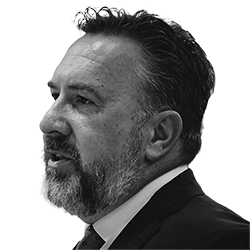
CRISTIANO PASSONIALTEN ITALIA

DANIELE MONACOALTEN ITALIA
ARIA BY ALTEN: LA RIVOLUZIONE DEL TEST DESIGN CON L’AI GENERATIVA
Intervento in lingua italiana - this talk is in italian
Sessione plenaria del mattino - morning plenary session
La qualità del software è oggi uno dei principali fattori di successo, soprattutto per le digital company.
Tuttavia, le sfide per chi come ALTEN opera nel mondo del QA e del testing restano numerose: ridurre i tempi, aumentare l’efficacia e garantire sempre il massimo livello qualitativo.
In ALTEN crediamo che l’AI possa fare davvero la differenza, offrendo nuove possibilità per ottimizzare le attività di testing, accelerando la delivery e riducendo gli sprechi di tempo.
È da questa visione che nasce ARIA by ALTEN: un ecosistema AI-powered, frutto di importanti investimenti in ricerca e sviluppo, capace di combinare tutta la nostra esperienza nel testing con le potenzialità dell’AI generativa.
ARIA è un vero e proprio assistente intelligente, specializzato nella generazione automatica dei test case a partire dalla documentazione in input.
Nel corso dell'intervento vi faremo toccare con mano come funziona ARIA e gli importanti benefici derivanti dal suo utilizzo, dalla qualità dei deliverable alla significativa efficienza operativa generata.
Software quality is one of the main success factors today, especially for digital companies.
However, the challenges for those like ALTEN who work in the world of QA and testing remain numerous: reducing times, increasing effectiveness and always guaranteeing the highest level of quality.
At ALTEN we believe that AI can really make a difference, offering new possibilities to optimize testing activities, accelerating delivery and reducing wasted time.
It is from this vision that ARIA by ALTEN was born: an AI-powered ecosystem, the result of significant investments in research and development, capable of combining all our experience in testing with the potential of generative AI.
ARIA is a real intelligent assistant, specialized in the automatic generation of test cases starting from the input documentation.
During the talk we will let you experience first-hand how ARIA works and the important benefits deriving from its use, from the quality of the deliverables to the significant operational efficiency generated.

CAMILLE SALINESIUNIVERSITÉ PARIS 1 PANTHÉON-SORBONNE
AI, REQUIREMENTS ENGINEERING AND TESTING: OPPORTUNITIES AND RISKS FOR PRACTITIONERS NOW AND IN THE FUTURE
Intervento in lingua inglese- this talk is in english
Sessione plenaria del mattino - morning plenary session
Ora che sta diventando mainstream, vediamo tutti che l'intelligenza artificiale (AI) e l'ingegneria dei requisiti (RE) e i test stanno trasformando la pratica: vengono offerte opportunità rivoluzionarie e poste sfide critiche. Da un lato, le tecnologie AI consentono metodi, tecniche e strumenti innovativi per RE e test, come l'addestramento di modelli di apprendimento automatico, la messa a punto e la richiesta di grandi modelli linguistici (LLM) e lo sfruttamento della generazione aumentata dal recupero (RAG) per supportare sia le attività di RE che di quality assurance. Questi progressi promettono efficienza e scalabilità senza precedenti, ma introducono molti nuovi rischi, ad esempio correlati alla conformità al GDPR, alla salvaguardia delle informazioni strategiche del progetto, all'originalità e alla quality assurance stessa. D'altro canto, la progettazione di sistemi abilitati dall'AI richiede di affrontare i limiti intrinseci dell'AI simbolica e connessionista, che non possono fornire garanzie assolute sui loro output. Questo cambiamento sfida RE e quality assurance a passare dalla garanzia della sicurezza del sistema alla definizione dell'affidabilità in sistemi che sono comunque critici per la sicurezza. Cosa significa questo cambiamento di paradigma per RE e quality assurance? Quali sforzi aggiuntivi sono attesi dalla comunità per garantire affidabilità e responsabilità nei sistemi abilitati dall'IA?
Questo talk esplorerà queste doppie prospettive, l'IA per noi e noi per l'IA, evidenziando strategie pratiche e una tabella di marcia per affrontare opportunità e rischi.
Now that it is becoming mainstream, we all see that Artificial Intelligence (AI) and Requirements Engineering (RE) and Testing is transforming practice: groundbreaking opportunities are offered and critical challenges posed. On one hand, AI technologies enable innovative methods, techniques, and tools for RE and testing, such as training machine learning models, fine-tuning and prompting large language models (LLMs), and leveraging retrieval-augmented generation (RAG) to support both RE and quality ensurance tasks. These advancements promise unprecedented efficiency and scalability but introduce many new risks, for instance related to GDPR compliance, safeguarding strategic project information, originality, and quality assurance itself.
On the other hand, engineering AI-enabled systems requires addressing the inherent limitations of both symbolic and connectionist AI, which cannot provide absolute guarantees about their outputs. This shift challenges RE and quality assurance to move from ensuring system safety to establishing trustworthiness in systems that are still nonetheless safety critical. What does this paradigm shift mean for RE and quality assurance? What extra efforts are expected from the community to ensure reliability and accountability in AI-enabled systems?
This keynote will explore these dual perspectives—AI for us and us for AI—highlighting practical strategies and a roadmap to address opportunities and risks.
Il Prof. Camille Salinesi è professore di informatica presso l'Université Paris 1 Panthéon-Sorbonne e co-direttore dell'Osservatorio di intelligenza artificiale. Esperto riconosciuto a livello mondiale in Requirements Engineering (RE), la ricerca del Prof. Salinesi si concentra su metodi e strumenti innovativi per la progettazione di sistemi software, con particolare attenzione all'affidabilità, all'etica e ai valori democratici nei sistemi di intelligenza artificiale. Il suo recente lavoro affronta le sfide all'intersezione tra RE e IA, sostenendo approcci responsabili all'integrazione dell'IA nei sistemi critici. Il Prof. Salinesi è anche membro dell'International Requirements Engineering Board (IREB) ed è autore di oltre 150 pubblicazioni su riviste e conferenze leader in RE e ingegneria del software
Prof. Camille Salinesi is a Professor of Computer Science at Université Paris 1 Panthéon-Sorbonne and co-director of the Observatory of Artificial Intelligence. A globally recognized expert in Requirements Engineering (RE), Prof. Salinesi’s research focuses on innovative methods and tools for designing software systems, with a particular emphasis on trustworthiness, ethics, and democratic values in AI systems. His recent work addresses challenges at the intersection of RE and AI, advocating for responsible approaches to AI integration in critical systems. Prof. Salinesi is also a member of the International Requirements Engineering Board (IREB) and has authored over 150 publications in leading journals and conferences in RE and software engineering
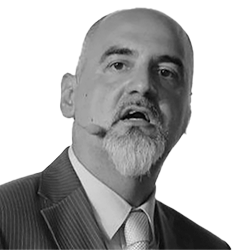
RICCARDO SANNAOPENTEXT
DAL TEST AUTOMATICO ALL’AUTOMA CHE TESTA: AI E DEVOPS, MITO O REALTÀ?
Intervento in lingua italiana - this talk is in italian
Sessione parallela del pomeriggio - afternoon parallel session
Nel mondo in continua evoluzione del DevOps, l’intelligenza artificiale promette di rivoluzionare processi, strumenti e metodologie. Ma cosa significa davvero integrare l’AI in un ciclo DevOps? Quali sono le applicazioni reali, i rischi concreti e i falsi miti da sfatare? In questa sessione interattiva e senza filtri, affronteremo tutte le domande che spesso restano in sospeso, quelle che “non si osano” fare per paura di sembrare ingenui o troppo critici. Dall'automazione intelligente del testing e del monitoring, all'uso dell'AI per il miglioramento continuo, fino alle implicazioni etiche e ai limiti pratici degli attuali modelli: nessun argomento è tabù. Un’occasione per chiarire dubbi, sfatare hype, e capire come l’AI può davvero supportare (o complicare) il lavoro di team DevOps e QA. Portate le vostre domande: ci pensiamo noi a trovare (o costruire insieme) le risposte.
In the ever-evolving world of DevOps, artificial intelligence promises to revolutionize processes, tools, and methodologies. But what does it really mean to integrate AI into a DevOps cycle? What are the real applications, the concrete risks, and the false myths to dispel? In this interactive and unfiltered session, we will address all the questions that often remain unanswered, those that we “don’t dare” ask for fear of appearing naive or too critical. From intelligent automation of testing and monitoring, to the use of AI for continuous improvement, to the ethical implications and practical limits of current models: no topic is taboo. An opportunity to clarify doubts, dispel hype, and understand how AI can really support (or complicate) the work of DevOps and QA teams. Bring your questions: we will find (or build together) the answers
Con oltre 20 anni di esperienza nel sostenere le grandi imprese a definire la propria strategia software, con responsabilità di gestione per i mercati Europa, Medio Oriente, Africa e Sudafrica, Riccardo Sanna in OpenText ricopre il ruolo di Head of DevOps Cloud Solution Consulting Europe con la responsabilità della gestione dei Sales Engineers, con un focus su: Value Stream Management, Application Security, Hyperautomation, Cloud, Devops, Quality Assurance, Agile, it4it, Application Lifecycle, Lean IT, Solution Architecture, Robotic Process Automation.
With over 20 years of experience in supporting large companies in defining their software strategy, with management responsibilities for the Europe, Middle East, Africa and South Africa markets, Riccardo Sanna in OpenText holds the role of Head of DevOps Cloud Solution Consulting Europe with responsibility for the management of Sales Engineers, with a focus on: Value Stream Management, Application Security, Hyperautomation, Cloud, Devops, Quality Assurance, Agile, it4it, Application Lifecycle, Lean IT, Solution Architecture, Robotic Process Automation.
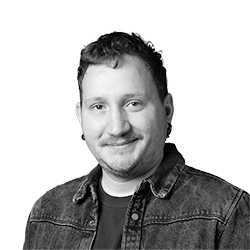
GIANVITO TOSCANOBANCA WIDIBA

FABIO ROTONDIUNGUESS
ACCESSIBILITY TESTING CON UTENTI REALI: IL MODELLO CROWD-DRIVEN DI UNGUESS E WIDIBA
Intervento in lingua italiana - this talk is in italian
Sessione plenaria del mattino - morning plenary session
L’accessibilità digitale non è solo una questione di compliance, ma di qualità del software e di inclusività dell’esperienza utente. In questo intervento, UNGUESS e Widiba presentano un caso reale di testing dell’accessibilità condotto attraverso il crowdtesting: una metodologia che abilita il coinvolgimento di utenti reali ed esperti di accessibilità per identificare barriere e criticità non rilevabili con i soli strumenti automatici. Vedremo come è stato strutturato il progetto, quali metriche sono state adottate per misurarne l’impatto e come l’approccio distribuito ha permesso di integrare efficacemente i test nel ciclo di vita del software, anticipando le esigenze dell’European Accessibility Act 2025.
Digital accessibility is not just a matter of compliance, but of software quality and inclusiveness of the user experience. In this talk, UNGUESS and Widiba present a real case of accessibility testing conducted through crowdtesting: a methodology that enables the involvement of real users and accessibility experts to identify barriers and critical issues that cannot be detected with automatic tools alone. We will see how the project was structured, which metrics were adopted to measure its impact and how the distributed approach allowed to effectively integrate the tests in the software life cycle, anticipating the needs of the European Accessibility Act 2025.
Gianvito Toscano è responsabile Usability e Quality presso Banca Widiba, dove guida l'innovazione nell'esperienza utente e nella tecnologia creativa. Con oltre 10 anni di esperienza in ricerca e progettazione di Customer Experience, ha contribuito allo sviluppo di soluzioni digitali avanzate per sistemi complessi in ambiti retail, fashion, tech e banking.
Fabio Rotondi è Customer Success Lead in UNGUESS, dove guida progetti strategici per migliorare l’esperienza digitale dei clienti attraverso approcci di testing innovativi e coinvolgimento degli utenti finali. Con diversi anni di esperienza nel settore, ha maturato una profonda conoscenza delle dinamiche di Customer Success in contesti tech e digital. Oggi collabora con realtà di ogni settore, supportandole nell’identificare aree di miglioramento e nel trasformare i feedback degli utenti in azioni concrete per evolvere prodotti e servizi digitali.
Gianvito Toscano is Head of Usability and Quality at Banca Widiba, where he leads innovation in user experience and creative technology. With over 10 years of experience in Customer Experience research and design, he contributed to the development of advanced digital solutions for complex systems in retail, fashion, tech and banking.
Fabio Rotondi is Customer Success Lead at UNGUESS, where he leads strategic projects to improve the digital experience of customers through innovative testing approaches and end-user engagement. With several years of experience in the sector, he has gained a deep understanding of the dynamics of Customer Success in tech and digital contexts. Today he collaborates with companies in every sector, supporting them in identifying areas of improvement and in transforming user feedback into concrete actions to evolve digital products and services.